
Losing Grip Strength?
Oct 25, 2026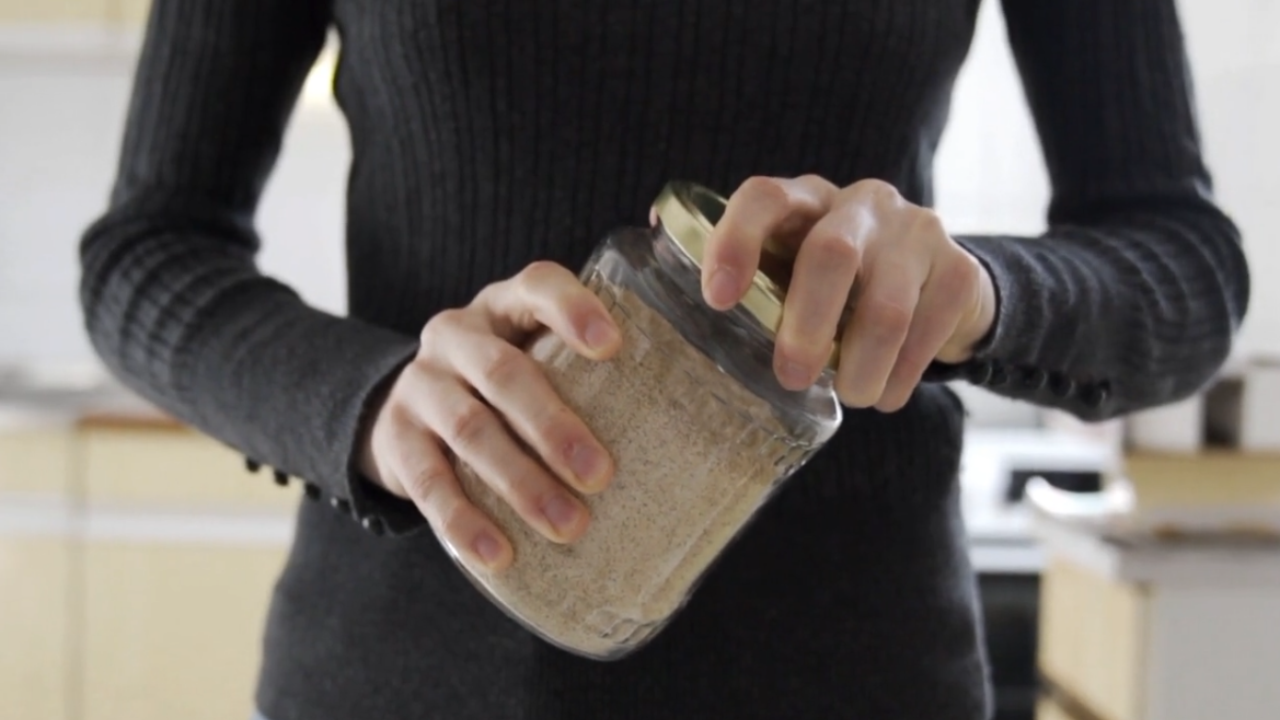
Have you noticed that your grip isn't quite as strong as it used to be? Maybe opening a jar takes more effort, carrying heavy bags feels harder, or your hands fatigue sooner during activities you enjoy.
Most people assume that weaker grip strength means their hand and forearm muscles need more training. And while muscle strength certainly matters, there's another important factor that often gets overlooked: your brain and nervous system.
Your grip is not produced by your hands alone. It's the result of communication between your brain, nerves, muscles, joints, and sensory systems. How well these systems work together influences how much force you can produce.
It's Not Just About Your Hands
Grip strength is one of the commonly used indicators of physical health and functional capacity as we age. Research has linked lower grip strength with reduced physical function and a greater risk of certain health problems. But grip strength isn't just about how strong your hands are. It can also reflect changes in muscle function, nervous system health, coordination, and overall physical capacity. Whether you're lifting weights, playing tennis, gardening, or carrying groceries, your brain must continuously coordinate how much force your hands produce and how that force is controlled.
Your Brain Controls More Than You Think
Before your fingers can generate force, your brain processes information from your hands, wrists, joints, and muscles. Your eyes and other sensory systems also contribute information that helps your brain organize movement. Based on this information, your nervous system activates and coordinates the muscles needed for the task.
This means your ability to produce strength depends not only on your muscles but also on how effectively your nervous system uses them.
For example, reduced sensory feedback, limited joint mobility, or changes in coordination may influence how efficiently you generate force. And that's why simply strengthening your hands may not always address everything contributing to a weaker grip.
Can Grip Strength Change Without Strength Training?
Here's something I find particularly interesting in my work. Sometimes I can see someone's grip strength improve after a short exercise that doesn't involve strengthening the hands at all. We might work on eye movements, wrist mobility, or sensory awareness. When we reassess grip strength, the result can be different. The muscles obviously haven't gotten stronger in just a minute. Instead, changes in brain input may influence the result. This doesn't mean that every grip problem can be improved through a brain-based exercise. But it demonstrates why looking beyond the muscles can be valuable. Your visual system, vestibular system (your balance system in the inner ear), and sensory receptors throughout your body all contribute to how your brain organizes movement.
Improving Grip Strength
Traditional strength training remains essential, but here are two exercises that may be very important to improve your grip strength. Watch the YouTube video to follow along.
1. Finger Curls – Improve Sensory Feedback and Finger Coordination
Your fingers contain numerous sensory receptors that provide your brain with information about joint position, movement, and pressure. This information, called proprioception, helps your brain understand where your fingers are and coordinate precise hand movements.
Finger curls are a way to stimulate sensory input from the individual finger joints while improving movement awareness and control.
How to do it:
-
Hold one hand in front of you with your wrist straight and your fingers comfortably extended.
-
Slowly bend only the tips of your fingers, keeping the other finger joints as straight as possible.
-
Next, bend the middle joints of your fingers, gradually forming a hook shape.
-
Continue bending the larger knuckles until your fingers form a comfortable fist.
-
Slowly reverse the movement, opening your hand joint by joint until your fingers are fully extended again.
-
Repeat 5–8 times with each hand.
Progression: Perform the movement with your eyes closed to increase your reliance on proprioceptive feedback. Move slowly and notice how accurately you can control each finger joint.
Brain-first focus: The primary goal isn't to build muscle strength. It's to provide your brain with clear sensory information from the finger joints. By moving through different joint positions with attention and control, you're giving your nervous system opportunities to refine its awareness of your hand.
This sensory information contributes to how your brain coordinates grip, adjusts force, and controls precise hand movements.
2. Median Nerve Glide – Support Nerve Mobility
The median nerve travels from your neck through your arm and wrist into your hand. It plays an important role in sensation and muscle control, particularly in your thumb, index, and middle fingers.
Gentle nerve glides encourage the nerve to move relative to surrounding tissues and can help maintain comfortable movement.
How to do it:
-
Stand upright with your shoulders relaxed and your arms resting by your sides.
-
Keep one arm down beside your body, with your elbow comfortably straight.
-
Gently extend your wrist and fingers backward; your palm will face the floor.
-
Slowly tilt your head toward the opposite shoulder, away from the extended arm.
-
Return your head to the center and relax your wrist and fingers.
-
Repeat 5–8 times on each side, moving slowly and smoothly.
Important: This movement should remain gentle. Do not force the head tilt or wrist extension, and avoid provoking tingling, numbness, or pain. If you have an existing nerve condition, consult a qualified healthcare professional before trying nerve glides.
Brain-first focus: Pay attention to differences between your left and right sides. Notice how your neck position influences the sensation in your arm and hand. The goal is controlled nerve movement, not an intense stretch.
Losing grip strength doesn't automatically mean your hands are simply getting weaker because you're aging. Muscle changes, nerve function, sensory information, and coordination can all play a role. The good news is that both muscles and the nervous system retain the ability to adapt with appropriate training. Maintaining grip strength is about more than squeezing harder. It's about supporting the entire system that allows you to move with strength, control, and confidence.
This blog is intended for educational and exploratory purposes only. It offers a broad overview and a fresh perspective, drawing on a synthesis of existing knowledge and contemporary tools used to organize and clarify information.
The content does not diagnose, treat, or replace medical care, nor is it based on any single research study. It is not a substitute for professional medical advice. Always consult a qualified healthcare provider with any questions or concerns about your health.
For full details, please review our Terms and Conditions here.
