

For many people, retirement is supposed to feel like freedom.
No more early alarms. No more meetings. No more deadlines. Finally, there is time to travel, spend time with family, enjoy hobbies, exercise, and do all the things that work once made difficult. But for many retirees, something unexpecte...

We often think of our brain as existing inside our head, separate from the world around us. In reality, your brain is in constant conversation with your environment. Every object, every sound, and every visual detail become sensory information that your brain must process. Much of this happens autom...

Sleep is not something you can pressure your body into doing. It is a reflection of how your brain and nervous system perceive safety, recovery, rhythm, and predictability. The body does not simply "shut off" because you decide it is bedtime. The brain has to perceive that the conditions are right b...

Supplements cannot “fix” the body, but they may help support some of the foundational systems involved in regulation, recovery, energy production, and long-term resilience. The key is understanding that supplements work within systems. They are not replacements for sleep, movement, nutrition, stress...
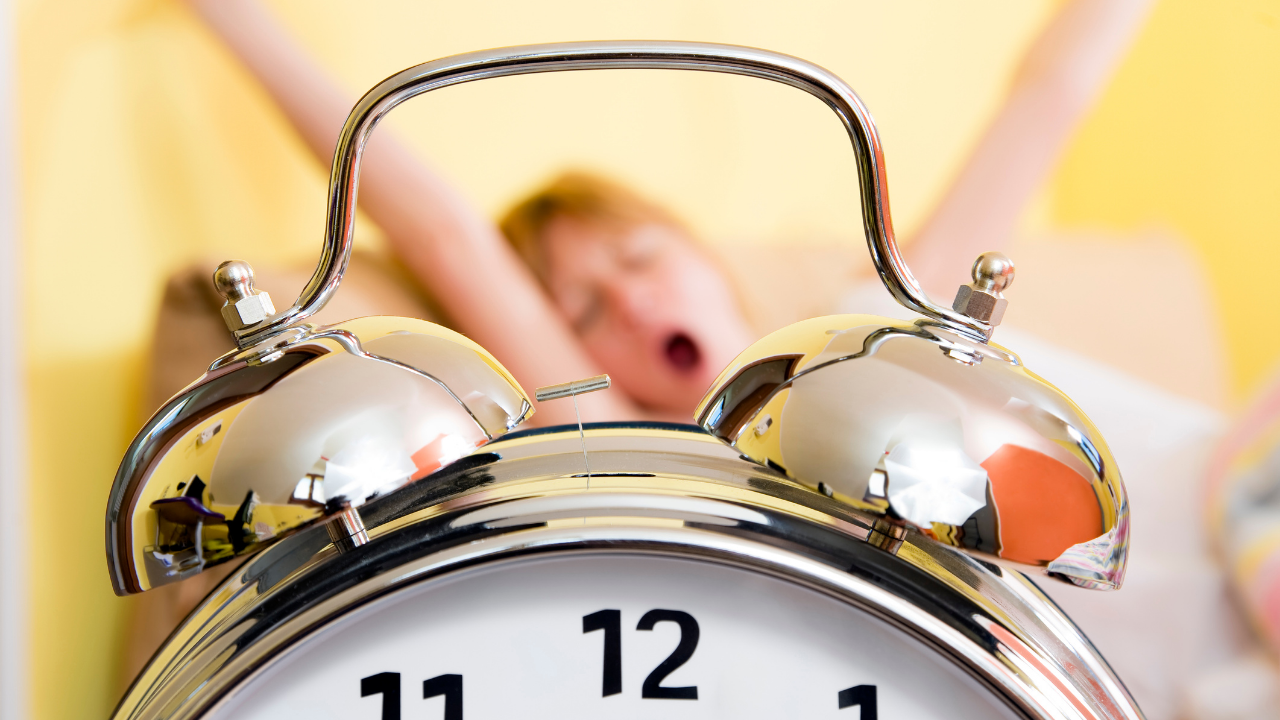
Most people think a morning routine is about productivity. Wake up earlier, drink water, exercise, meditate, and get more done. But from a neuroscience perspective, your morning routine is doing something much deeper than helping you “start the day right.” It is shaping the state of your nervous sys...
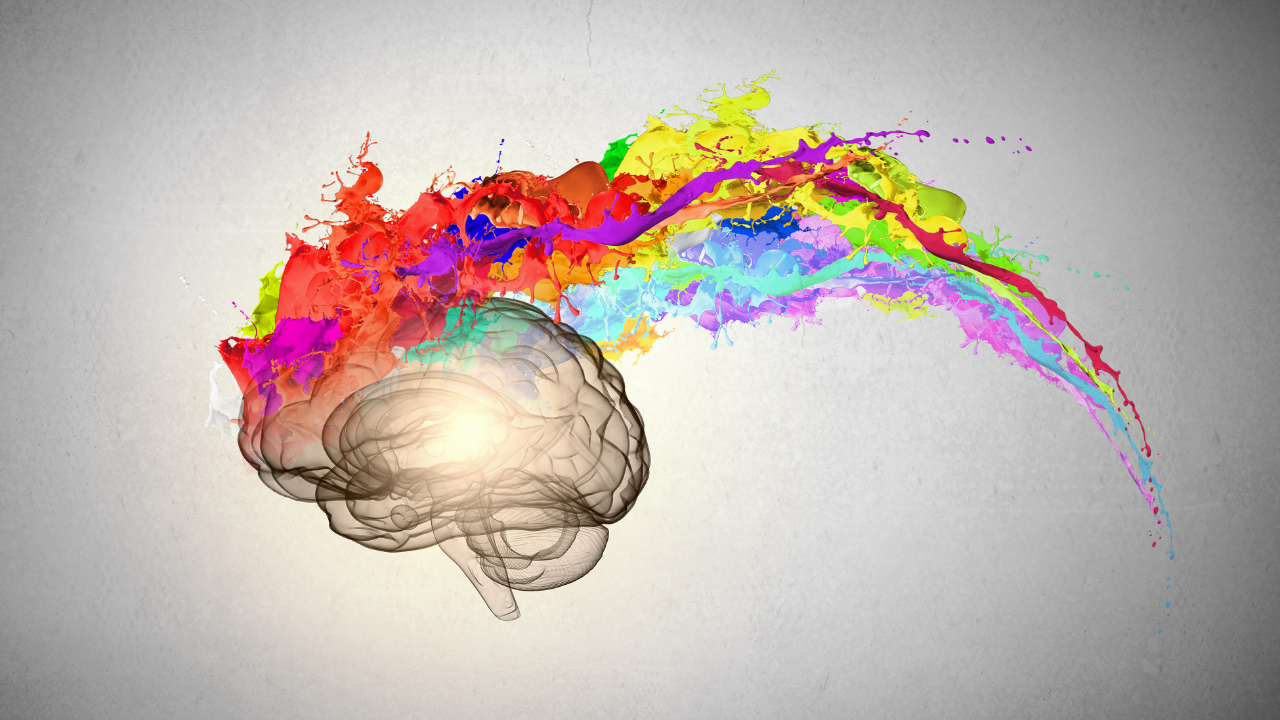
Most people associate art with skill. Drawing, painting, music, or writing are often seen as abilities you either have or don’t. But from a neuroscience perspective, the value of creativity lies in the process rather than the outcome. What matters is how your brain engages while you are doing it. Cr...

Most people think of mental sharpness as something that naturally fades with age. They notice they forget a name more often, struggle to find the right word, lose focus sooner, or feel mentally exhausted after tasks that once seemed effortless. The common explanation is often simple: "You're getting...

When something feels different: recovery takes a little longer, energy is less predictable, and focus comes and goes. Nothing is dramatically wrong, but it’s enough to notice.
The common explanation is simple: that’s just aging. But that explanation rarely feels complete. What you’re experiencing d...

There is a subtle shift that many active, health-conscious people begin to notice at some point. It doesn’t come with pain or a clear injury, and it’s rarely dramatic enough to demand attention. It shows up in small, everyday moments—standing on one leg while putting on a shoe, turning your head whi...
There often comes a point where exercise starts to feel different. What used to feel straightforward—go harder, push more, stay consistent—begins to feel less predictable. Energy fluctuates. Recovery takes longer. Certain movements feel tight or unfamiliar. And while nothing is necessarily “wrong,” ...

Stress is not just psychological. It is neurological and physiological.
The brain and body are constantly communicating through the nervous system, adjusting breathing, heart rate, digestion, muscle tension, energy production, and recovery based on how safe or threatening the brain perceives the en...
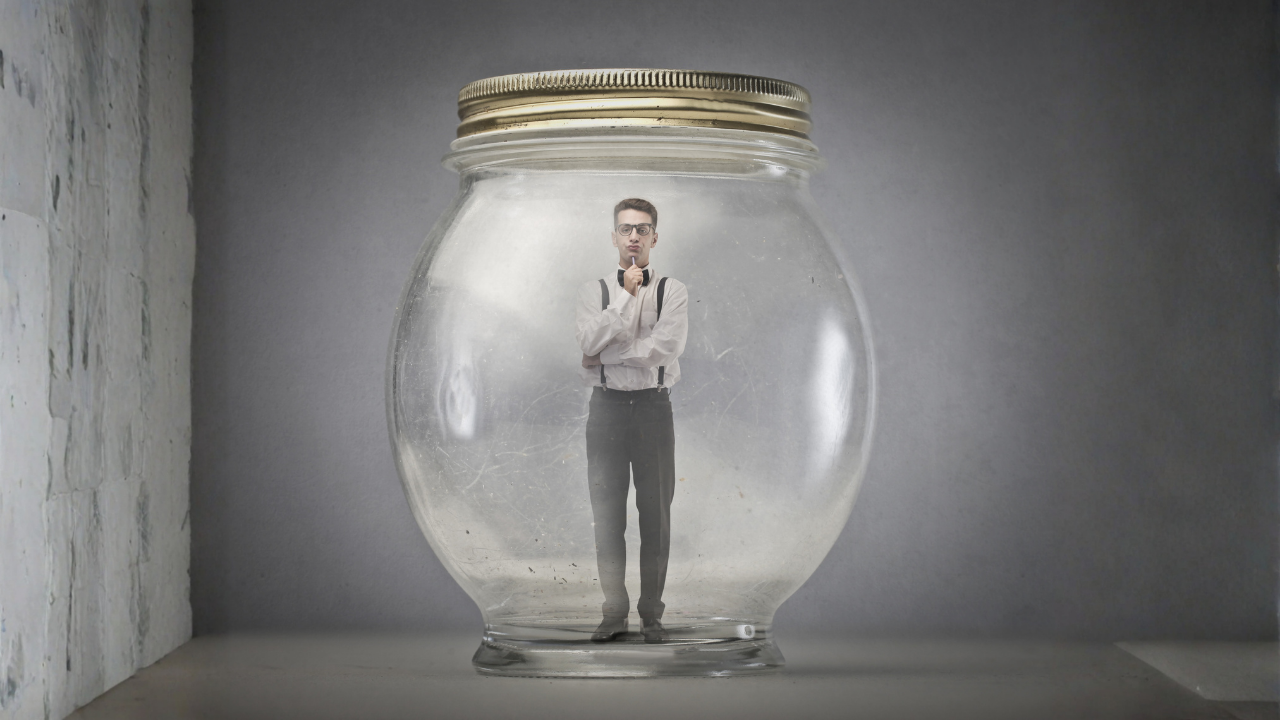
There are days when you are more irritable. Less focused. Less patient. Small things feel harder than they should. You might assume the problem is your mindset, your motivation, or your stress tolerance.
But often, what changed first was not your thinking.
It was your state.
Maybe you slept a lit...
