
Rewiring Your Beliefs Around Aging and Performance
May 17, 2026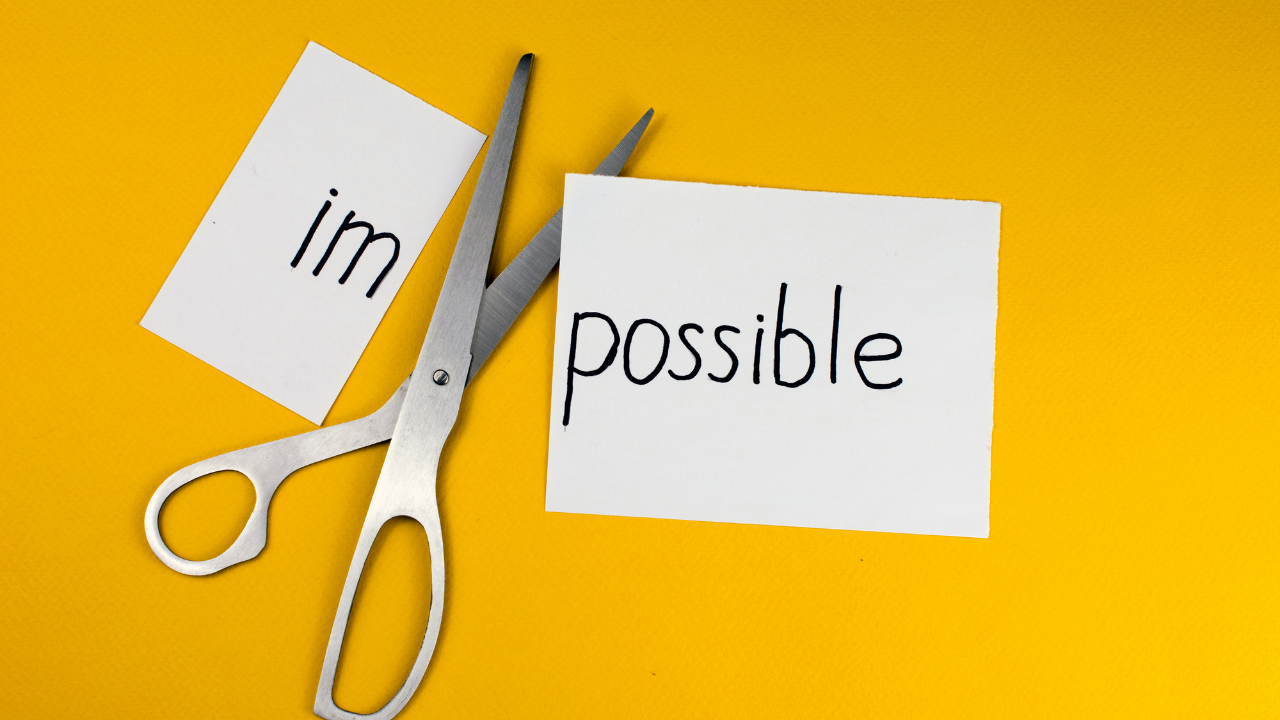
There comes a point for many active people when something starts to feel different. Recovery takes a little longer. Energy feels less predictable. Certain movements feel stiffer than they used to. And almost automatically, the thought shows up:
“Maybe this is just aging.”
That thought is common. But it is also more influential than most people realize.
Because the way you think about aging does not just affect your mindset. It affects how your brain interprets your body, how much confidence you move with, how much effort you apply, how well you recover, and even what your nervous system believes is still available to you.
And that matters.
Aging Is Not Just About the Body
Most people think aging is mainly about muscles, joints, hormones, or metabolism.
Those things matter. But they are not the full picture.
Your brain is constantly interpreting what is happening in your body and environment. It is asking:
Is this safe? Is this familiar? Is this manageable?
And based on that, it adjusts output.
That output can look like:
- more tension
- less mobility
- slower recovery
- lower energy
- more hesitation
- reduced performance
This is important because not every change you feel is simply “decline.” Sometimes, what feels like aging is actually a nervous system that has shifted into more protection. And when the brain senses uncertainty, it prioritizes protection over performance.
Your Beliefs Become Part of the Input
If you repeatedly think:
- “My body is wearing out.”
- “I can’t do what I used to do.”
- “I guess this is what happens now.”
…your brain listens.
Not because thoughts are magic.
But because expectation shapes perception.
The brain predicts before it reacts. It uses past experience, current sensation, and belief to decide what something means. That means if you expect struggle, fragility, or decline, you are more likely to interpret normal fluctuations as proof that things are getting worse.
A stiff morning becomes “my body is aging.” Forgetting something becomes “I’m losing it.” A harder workout feels like “I’m not who I used to be.”
But often, those moments are not identity statements. They are just information.
Stress Often Feels Like “Aging”
A lot of what gets blamed on aging is actually the accumulated effect of stress.
Stress changes breathing.
It changes recovery.
It changes muscle tone, sleep quality, energy regulation, and how safe your body feels to move freely.
When stress stays high for too long, the body often feels older than it is.
You may notice:
- more stiffness
- more fatigue
- less resilience
- more reactivity
- slower recovery
That does not mean age is irrelevant. It means stress physiology is often part of the picture.
And that is good news—because it gives you more room to work with.
Performance Changes When the Brain Feels Less Clear
As we get older, many people try to solve everything with more effort.
Train harder.
Push through.
Stretch more.
Do more.
But at some point, effort alone stops being the smartest strategy. Because performance is not only built through output.
It is also built through:
- regulation
- recovery
- movement quality
- sensory clarity
- nervous system confidence
If the brain is not getting good information, it often becomes more conservative.
That can show up as feeling “older” in your body.
Not because you are broken. But because the system is less willing to give you full access.
Why Small Inputs Matter More Than You Think
This is where a brain-based approach becomes so valuable.
Sometimes, a small, precise input can change how your body feels faster than a bigger effort-based strategy.
That might include:
- better breathing patterns
- visual drills
- vestibular work
- balance input
- gentle mobility
- movement that improves body awareness
Why?
Because movement is not just exercise. It is information. Breathing is not just about oxygen. It affects state. Vision is not just about eyesight. It influences balance, stability, and confidence.
When these systems improve, the brain often feels safer and more organized.
And when that happens, performance often improves too.
A Better Belief to Build From
Rewiring your beliefs around aging is not about pretending nothing changes. It is about replacing unhelpful assumptions with something more accurate.
Something like this:
My body is always adapting to the inputs it receives.
Not every symptom means decline.
The nervous system influences how strong, mobile, and resilient I feel.
Small changes, repeated consistently, can change a lot over time.
That is a much more useful place to build from.
What to Start Paying Attention To
Instead of immediately asking:
“What’s wrong with me?”
Try asking:
“What might my system be responding to?”
That one shift can change a lot.
Because often, what your body needs is not panic. It is better interpretation.
Better recovery.
Better input.
Better support.
And often, that creates more change than trying to force your way through.
Aging is real.
But many of the limitations people accept too early are not fixed facts. They are often the result of stress, protective patterns, outdated beliefs, and a nervous system that no longer feels as supported or clear as it could.
That means you still have influence.
Not through hacks.
Not through denial.
And not by trying to outwork biology.
But by learning how to work with the system more intelligently. Because when you change the input, the output can change too.
This blog is intended for educational and exploratory purposes only. It offers a broad overview and a fresh perspective, drawing on a synthesis of existing knowledge and contemporary tools used to organize and clarify information.
The content does not diagnose, treat, or replace medical care, nor is it based on any single research study. It is not a substitute for professional medical advice. Always consult a qualified healthcare provider with any questions or concerns about your health.
For full details, please review our Terms and Conditions here.
