
Why Fall Prevention Is a Brain-Body Skill — And How to Train It
Feb 22, 2026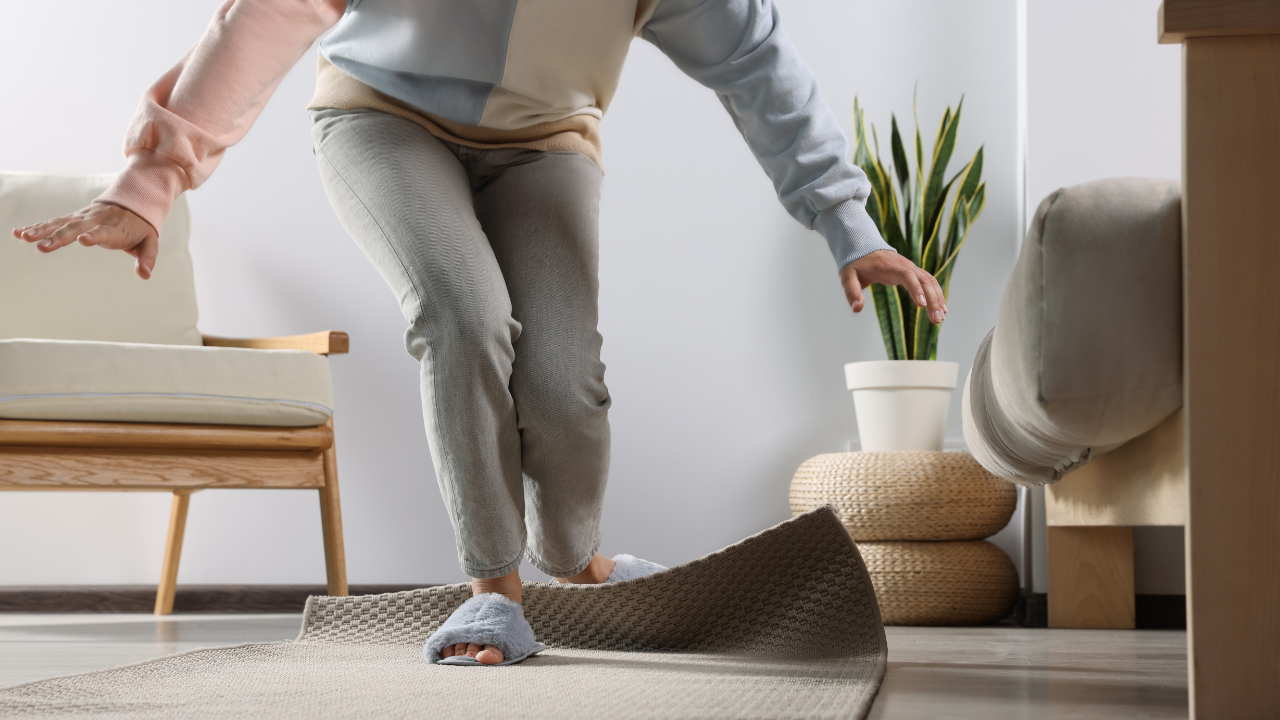
Falls are not just an inconvenience.
For older adults, they are the leading cause of injury-related deaths and hospitalizations worldwide. In the United States alone, one in four adults over age 65 falls every year, with serious consequences ranging from fractures to loss of independence.
Most people think fall prevention is about muscles, balance boards, or being “more careful.”
But the real drivers of stability are how the nervous system interprets sensory information and orchestrates movement. And that starts long before your foot hits the ground.
Why Balance Is More Than Muscles
When you take a step, your brain is constantly asking:
- Where am I in space?
- What’s under my foot?
- How fast is my head moving?
- Can I respond if something changes mid-step?
If your brain can answer those questions confidently, movement feels stable. If it can’t, your system becomes protective, and protective equals stiffness, hesitation, and slower reactions. That’s when falls happen.
Four Sensory Drivers of Fall Prevention
- Vision — Your Primary Reference
Your eyes give your brain crucial data about the environment: edges, obstacles, distance, lighting, motion, horizon, and depth. Good visual information helps the brain plan safe steps. Poor lighting, glare, or depth perception issues make it harder for the brain to predict movement safely.
What to practice:
- Look ahead, not down
- Practice scanning environments
- Vestibular System — Your Inner Balance Organ
The vestibular organs in the inner ear detect head movement and orientation relative to gravity. If your vestibular system is under-challenged or stressed, your brain receives delayed or incomplete balance information, which increases fall risk.
What to practice:
- Slow, controlled head turns
- Gaze stabilization exercises
- Head-eye coordination drills
- Proprioception — Your Body’s Position Sense
Proprioception tells the brain where your limbs are without looking at them. Age, injury, or disuse can dull this feedback. That means your brain is guessing about limb position instead of knowing it, and guesswork increases fall risk.
What to practice:
- Joint movement with eyes open/closed
- Controlled weight shifts
- Awareness of joint angles
- Feet Feedback — Ground Truth for Stability
Your feet are special. The soles of your feet contain dense sensory receptors that send constant pressure and surface feedback to your brain.
When footwear or surfaces dull this feedback (thick soles, rigid shoes, unfamiliar ground), the brain has less reliable data about support and stability. That makes balance reactions slower and less accurate.
What to practice:
- Safe barefoot drills on varied surfaces
- Gentle rolling and sensory activation of the feet
- Foot–ankle mobility and stability work
Why Stress, Pain, and Confidence Matter
Stress and anxiety change movement patterns instantly by narrowing attention, stiffening muscles, and reducing adaptability. What looks like a physical misstep is often a nervous system protection pattern.
Pain alters movement strategy even at low intensities. Your brain shifts weight, changes timing, and increases protective tension — often without conscious awareness — which reduces balance precision.
That’s why true fall prevention isn’t about avoiding movement; it’s about restoring trust between brain and body.
Evidence-Based Movement Strategies
Research shows that the most effective fall-prevention interventions are those that progressively challenge balance through a variety of sensory and motor demands, not just strength alone.
Key elements of effective programs:
- Variety of challenge levels
- Sensory integration tasks
- Dynamic balance in real-world contexts
- Functional movement patterns
Examples include:
- Gaze stabilization
- Multi-directional stepping
- Single-leg balance with head movements (start with feet together first)
- Weight shifting on uneven surfaces
A NeuroHP Training Mindset
True fall prevention comes from integration:
- Vision + vestibular coordination
- Foot sensory feedback + motor prediction
- Stress regulation + movement confidence
When these systems are trained together, your brain can predict movement outcomes accurately, and your body follows with confidence and not hesitation.
Fall prevention isn’t about avoiding movement. It’s about restoring confidence, adaptability, and trust in your body for decades to come.
This blog is intended for educational and exploratory purposes only. It offers a broad overview and a fresh perspective, drawing on a synthesis of existing knowledge and contemporary tools used to organize and clarify information.
The content does not diagnose, treat, or replace medical care, nor is it based on any single research study. It is not a substitute for professional medical advice. Always consult a qualified healthcare provider with any questions or concerns about your health.
For full details, please review our Terms and Conditions here.
