
How chronic inflammation affect movement and aging
Aug 30, 2026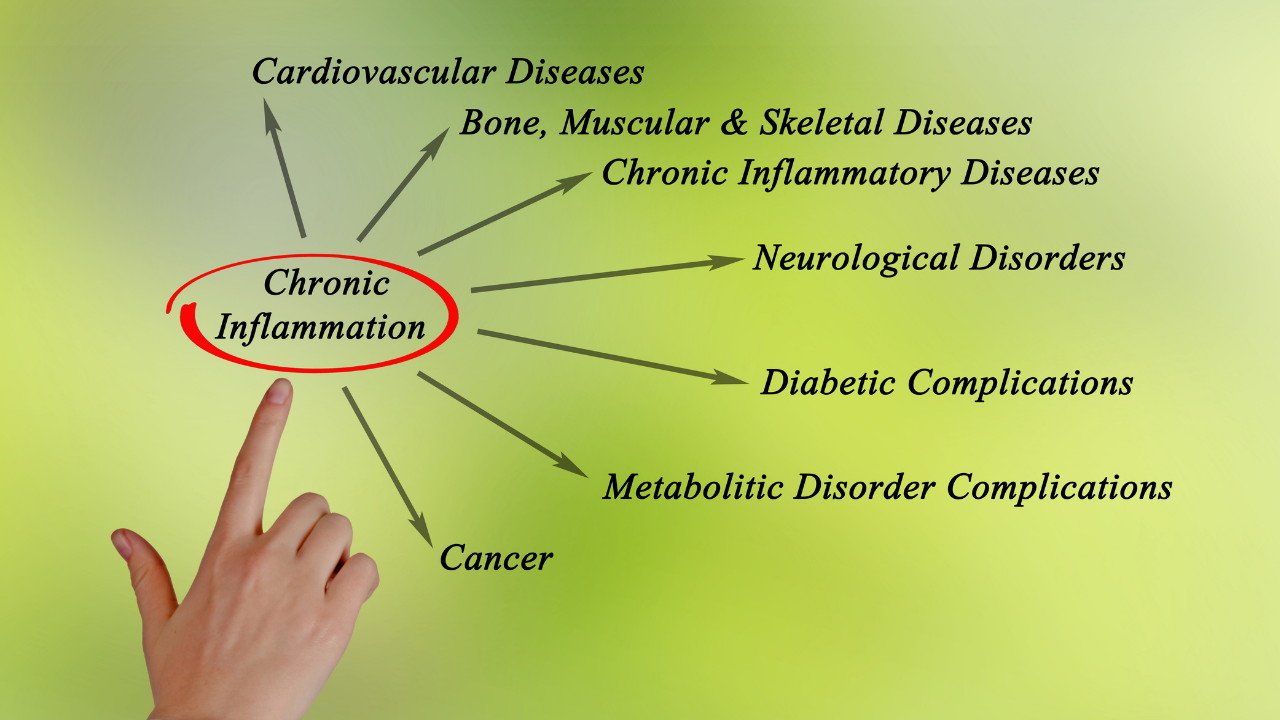
Many active people reach a point where they begin noticing subtle shifts in their body that feel difficult to explain. Recovery takes longer than it used to. Movement feels stiffer some mornings. Energy becomes less predictable. Small aches linger longer. Stress seems to affect the body more quickly, and bouncing back from hard workouts or busy periods no longer feels automatic.
Often these changes get dismissed as “just aging.” But aging itself is rarely as simple as wear and tear alone. One of the most overlooked contributors to declining movement quality, reduced recovery, and changes in resilience is chronic inflammation.
Not the short-term inflammation that happens after an intense workout or an injury. That kind of inflammation is part of a healthy adaptation process. Chronic inflammation is different. It is a prolonged low-grade stress response within the body that gradually influences how the brain, nervous system, immune system, and movement systems communicate with each other over time.
Understanding this changes the conversation around aging completely because inflammation does not only affect tissues. It affects perception, prediction, recovery, energy allocation, and how safe or threatened the nervous system feels. In many ways, it changes how the entire system operates.
Inflammation Is Not Always Negative
Inflammation is often spoken about as something harmful that should always be reduced, but the reality is far more nuanced. Inflammation is a normal and necessary biological process. Without it, the body would not heal, adapt, recover, or protect itself.
When you strength train, challenge your cardiovascular system, or recover from an injury, temporary inflammation helps coordinate repair and adaptation. The problem is not inflammation itself. The problem begins when the system remains in a prolonged inflammatory state without fully returning to baseline.
Modern life creates many inputs the brain and body may interpret as ongoing stressors. Poor sleep, chronic psychological stress, excessive sitting, lack of movement variability, overtraining, social isolation, sensory overload, persistent pain, and insufficient recovery can all contribute to a system that remains in a more protective physiological state for extended periods of time.
This matters because the brain is continuously evaluating whether the body is safe enough to allocate resources toward growth, recovery, and performance. When the system senses too much uncertainty or stress, it shifts resources toward protection instead.
That protective shift influences everything from muscle tension and mobility to hormone regulation, recovery capacity, sleep quality, and energy production. Over time, chronic inflammation becomes less of an isolated tissue issue and more of a systems-wide adaptation pattern.
The Brain and Immune System Are Constantly Communicating
One of the biggest misconceptions around inflammation is the idea that it operates independently from the brain. In reality, the brain and immune system are in constant communication. The nervous system continuously gathers information from the body and the environment and uses that information to help regulate inflammatory responses.
Breathing patterns, stress levels, sleep quality, movement variability, visual input, balance, emotional experiences, nutrition, and even environmental conditions all provide information to the brain about how safe, supported, and adaptable the system currently is.
The brain predicts before it reacts. It is constantly trying to anticipate what the body may need next. When the brain senses uncertainty, it prioritizes protection over performance. That protection can show up as increased muscle tension, fatigue, reduced mobility, heightened pain sensitivity, disrupted sleep, slower recovery, or reduced motivation to move.
This is one reason symptoms often fluctuate. Someone may feel strong and energized one day, then stiff, fatigued, and sore the next, even though structurally nothing significant has changed. The body itself may be the same, but the state of the nervous system is different.
Understanding this helps explain why chronic inflammation often feels so widespread and inconsistent. It is not simply happening in one isolated joint or tissue. It is influencing the way the brain regulates the entire system.
Why Chronic Inflammation Changes Movement
Many people first notice chronic inflammation through changes in movement quality. They often describe feeling tighter despite stretching more, more fatigued despite resting, or less coordinated and resilient than they used to feel.
The common reaction is to focus only on muscles and joints. But movement is ultimately coordinated by the nervous system. The brain determines how much mobility, force production, stability, and movement variability feel safe and efficient in a given moment.
If the brain perceives increased threat, uncertainty, or reduced recovery capacity, it may increase protective outputs. One of those outputs is muscle tension. Another is limiting movement options. This is why people can sometimes feel globally stiff or restricted even when imaging shows little structural damage. That does not mean symptoms are imagined. The experience is absolutely real. But the experience is also shaped by how the brain interprets incoming information and predicts what level of protection the body may need.
This perspective changes how we approach long-term movement health. Instead of chasing symptoms aggressively, we can begin asking better questions. What inputs is the nervous system receiving consistently? What stressors may be increasing protective tone? What supports recovery and clarity for the system as a whole?
Often the body is not failing. It is adapting to the information it receives most consistently.
Chronic Inflammation and Energy Production
One of the most overlooked effects of chronic inflammation is its impact on energy. The immune system requires a significant amount of energy to maintain prolonged inflammatory activity. When the body remains in a chronic stress-response state, resources get diverted toward protection and defense rather than recovery and performance.
This can show up as afternoon energy crashes, reduced exercise tolerance, brain fog, slower cognitive processing, disrupted recovery, or the feeling of being “wired but tired.” Many people assume these changes are simply signs of getting older or lacking discipline, when in reality the system may be operating with reduced adaptive capacity.
The nervous system and immune system are deeply connected to energy regulation. When the brain senses ongoing uncertainty or excessive demand, it often becomes more conservative with energy expenditure. This is why pushing harder is not always the solution. Sometimes the system first needs better recovery signals, more movement variability, improved sleep quality, or a reduction in unnecessary stress load before performance improves.
This is also why people can become frustrated when traditional fitness approaches stop working. If the nervous system already perceives overload, adding more intensity without improving recovery capacity can sometimes increase stress rather than improve resilience.
Stress Physiology and Inflammation
One of the strongest drivers of chronic inflammation is persistent stress physiology. The brain does not separate emotional stress from physical stress as cleanly as many people think. Work pressure, poor sleep, chronic urgency, emotional overload, lack of recovery, fear about health, financial stress, and constant overstimulation all influence nervous system output.
Over time, the body may begin operating in a state of chronic vigilance. Breathing patterns become shallower. Muscle tone increases. Sleep becomes lighter and less restorative. Heart rate variability may decrease. Recovery slows. The nervous system becomes more reactive and less adaptable. This is important because chronic stress does not only affect mood. It affects inflammatory signaling, movement behavior, immune activity, and recovery physiology.
Many people today spend large portions of their day physiologically preparing for demand without ever fully shifting back into recovery mode. Even during rest, the nervous system may remain subtly protective.
That protective state can gradually influence how the body feels, moves, heals, and performs over time.
Why a Brain-Based Perspective Matters
A brain-based approach to health and longevity does not ignore the body. It simply recognizes that the brain regulates the body’s responses to stress, movement, recovery, and adaptation.
The nervous system is constantly evaluating sensory input to determine what feels safe, efficient, and sustainable. Vision, breathing, vestibular function, proprioception, environmental stressors, and movement quality all influence this process.
For example, shallow upper-chest breathing may reinforce stress physiology and increase protective tension throughout the body. Poor visual function or lack of movement variability may increase uncertainty for the nervous system. Reduced balance confidence can alter movement strategies and increase muscular guarding.
This is why small, precise inputs can create meaningful changes over time. The nervous system responds strongly to clarity. Sometimes improving the quality of sensory input and reducing unnecessary stress signals can help the system feel safer and more adaptable again.
That does not mean inflammation disappears overnight or that movement challenges suddenly resolve. But it does mean the body often responds more favorably when the system feels supported rather than constantly overwhelmed.
A More Sustainable Perspective on Health and Longevity
Modern wellness culture often creates the impression that aging well requires endless optimization, extreme routines, or constantly pushing harder. But many people do not need more intensity. They need more consistency, better recovery, clearer inputs, and a nervous system that feels supported rather than constantly overloaded.
The body is not the enemy. Symptoms are often signals that the system is adapting to the demands placed upon it. That does not mean symptoms should simply be ignored, but it does mean they should be understood within the larger context of nervous system regulation, stress physiology, recovery, and adaptation.
Aging well is not about perfection. It is about preserving the ability to move well, think clearly, recover efficiently, and continue participating fully in life for as long as possible.
That process is rarely shaped by one dramatic intervention. More often, it is influenced by small daily inputs that help the brain and body work together more efficiently over time.
And that is an important distinction because it shifts the focus away from fear and toward capacity. Away from chasing symptoms and toward supporting the system as a whole.
When the brain senses more clarity, safety, and adaptability, the body often responds differently. Movement becomes more efficient. Recovery improves. Energy becomes more stable. The system becomes less protective and more resilient.
That is not about chasing perfection. It is about creating the conditions that allow the body and nervous system to function well over time.
This blog is intended for educational and exploratory purposes only. It offers a broad overview and a fresh perspective, drawing on a synthesis of existing knowledge and contemporary tools used to organize and clarify information.
The content does not diagnose, treat, or replace medical care, nor is it based on any single research study. It is not a substitute for professional medical advice. Always consult a qualified healthcare provider with any questions or concerns about your health.
For full details, please review our Terms and Conditions here.
