
Lower Blood Pressure in 5 Minutes
Sep 27, 2026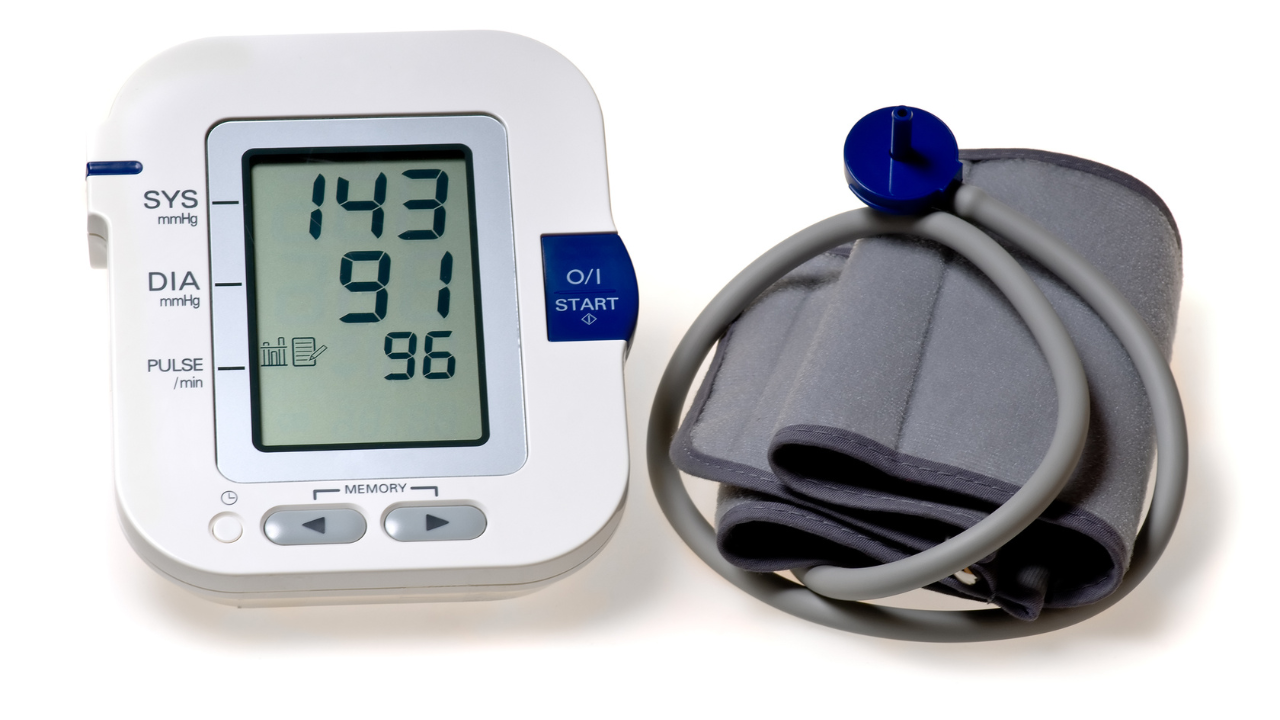
High blood pressure is often viewed as a problem of the heart or the blood vessels. We monitor it with a cuff, discuss it with our physician, and often think about it only when the numbers are higher than expected. While the cardiovascular system certainly plays a central role, that number reflects much more than the strength of your heartbeat or the condition of your arteries. Behind every heartbeat is a sophisticated communication network led by your brain, continuously deciding how much blood your body needs and where it should go. Understanding this relationship offers a different perspective—one that is less about fighting your body and more about working with the remarkable system that has been designed to keep you alive.
Keep in mind, this information does not replace medical care by a physician or needed medication!
Your Brain May Be the Missing Piece
The idea that you can lower your blood pressure in five minutes may sound like another wellness headline promising a quick fix. It is important to be clear that no exercise or technique can guarantee an immediate or lasting reduction in blood pressure, nor should these strategies replace appropriate medical care. However, your nervous system is constantly adapting to the information it receives. In some situations, providing your brain with clearer signals of safety and efficiency can begin shifting your physiology within minutes. More importantly, these small moments of regulation, practiced consistently over time, can become part of a healthier lifestyle that supports both cardiovascular health and longevity.
Blood Pressure Is More Dynamic Than You Think
Many people assume blood pressure is a fixed measurement that only changes when they exercise, feel stressed, or take medication. In reality, it fluctuates from moment to moment because your brain is continuously adjusting it to meet your body's predicted needs. Every time you stand up, climb a flight of stairs, have an emotional conversation, or simply move from a quiet room into a busy environment, your nervous system evaluates what is happening and determines how your cardiovascular system should respond. Blood pressure is not simply reacting to your environment—it is helping your body prepare for what your brain believes is about to happen.
To make these decisions, the brain receives a constant stream of information from throughout the body. Specialized pressure sensors in your arteries monitor changes in blood pressure, while other receptors report on breathing, oxygen levels, movement, body position, and muscle activity. At the same time, your brain processes information from your eyes, your inner ear, your skin, and your internal organs. It combines all of these inputs with your previous experiences and current circumstances to predict how much support your body will need. This predictive process allows you to respond quickly to changing demands, but it also means that prolonged stress or uncertainty can influence your cardiovascular system long before you consciously recognize it.
Why Stress Has Such a Powerful Effect
Stress is often discussed as though it were something happening only in our minds, yet it is one of the most powerful physiological regulators of blood pressure. When your brain perceives that greater effort, vigilance, or protection is required, it activates the sympathetic nervous system. Heart rate increases, blood vessels may constrict, and hormones such as adrenaline prepare the body for action. These responses are remarkably intelligent because they improve your ability to survive genuine challenges.
The difficulty is that modern life often creates the perception of continuous demand. Deadlines, financial concerns, poor sleep, constant digital stimulation, emotional strain, and even chronic pain can all convince the brain that remaining on high alert is the safest strategy. Over weeks, months, or years, this heightened state of readiness may become the new baseline. Your body is not malfunctioning in these moments. It is adapting to the information it has been receiving. From a brain-first perspective, symptoms often represent protective responses rather than signs of failure.
The Nervous System Responds to Information, Not Commands
This understanding helps explain why telling someone to "just relax" is rarely effective. The nervous system does not calm itself simply because we decide it should. Instead, it changes when the brain receives enough evidence that it can safely reduce its level of protection. Every second, your brain is asking an important question: "Am I safe enough to recover, or do I need to stay prepared?"
The answer comes from the quality of the information entering your nervous system. Your breathing, your posture, your visual environment, your movement, and your sensory awareness all contribute to this ongoing assessment. Small, precise inputs may seem insignificant on their own, but together they shape how your brain regulates heart rate, blood vessel tension, and many other aspects of physiology. This is one reason why simple practices can sometimes have surprisingly meaningful effects. They are not forcing the body to change; they are improving the quality of the information the brain uses to make its predictions.
Simple Ways to Support Your Nervous System in Five Minutes
If your goal is to support healthy blood pressure, the objective is not to search for one perfect technique. Instead, think about giving your brain better information. Even five intentional minutes can help shift your nervous system toward a more regulated state.
Watch my YouTube video to learn about exercises that lower blood pressure.
Blood pressure is more than a number on a monitor. It is one expression of an incredibly intelligent nervous system that is working continuously to keep you alive. When you begin supporting that system through consistent movement, thoughtful breathing, better recovery, and greater awareness, you are doing more than influencing your cardiovascular health. You are building the foundation for better performance today and greater resilience for the years ahead. Longevity is rarely created by one extraordinary decision. More often, it is built through thousands of small moments that teach your brain—and ultimately your body—that it is safe, adaptable, and capable of thriving.
This blog is intended for educational and exploratory purposes only. It offers a broad overview and a fresh perspective, drawing on a synthesis of existing knowledge and contemporary tools used to organize and clarify information.
The content does not diagnose, treat, or replace medical care, nor is it based on any single research study. It is not a substitute for professional medical advice. Always consult a qualified healthcare provider with any questions or concerns about your health.
For full details, please review our Terms and Conditions here.
